About my background, research, and teaching…
My story
Music has been part of my life since childhood. My first years of training, in a school where singing was at the heart of musical education, shaped the path I would later follow. I began my musical studies in Huesca and later trained as a singer at the Conservatorio del Liceo in Barcelona, before specialising in early music at the Schola Cantorum Basiliensis in Switzerland with Dominique Vellard and Richard Levitt.
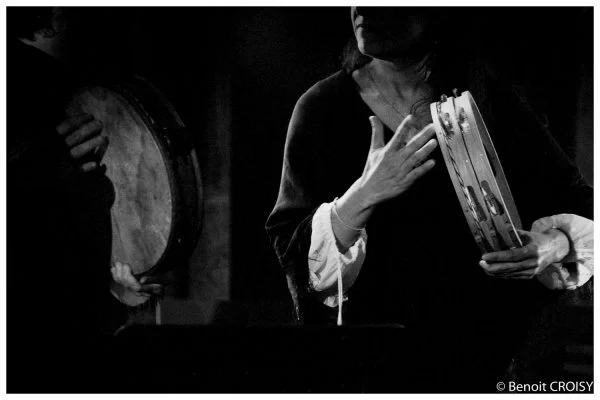
My encounter with oral traditions transformed the way I approached early music and gradually led me to explore the connections between written sources, memory and living musical practices. After many years performing with Vox Suavis, I founded Cantaderas in 2016, a project centred on voice, percussion and the traditional repertoires of the Iberian Peninsula.
Today, performance, research and teaching are closely intertwined in my work.
-
Music has been part of my life since Music has been part of my life since childhood. I began my studies in Huesca, where I first encountered choral singing and piano, and where the foundations of my musical path began to take shape.
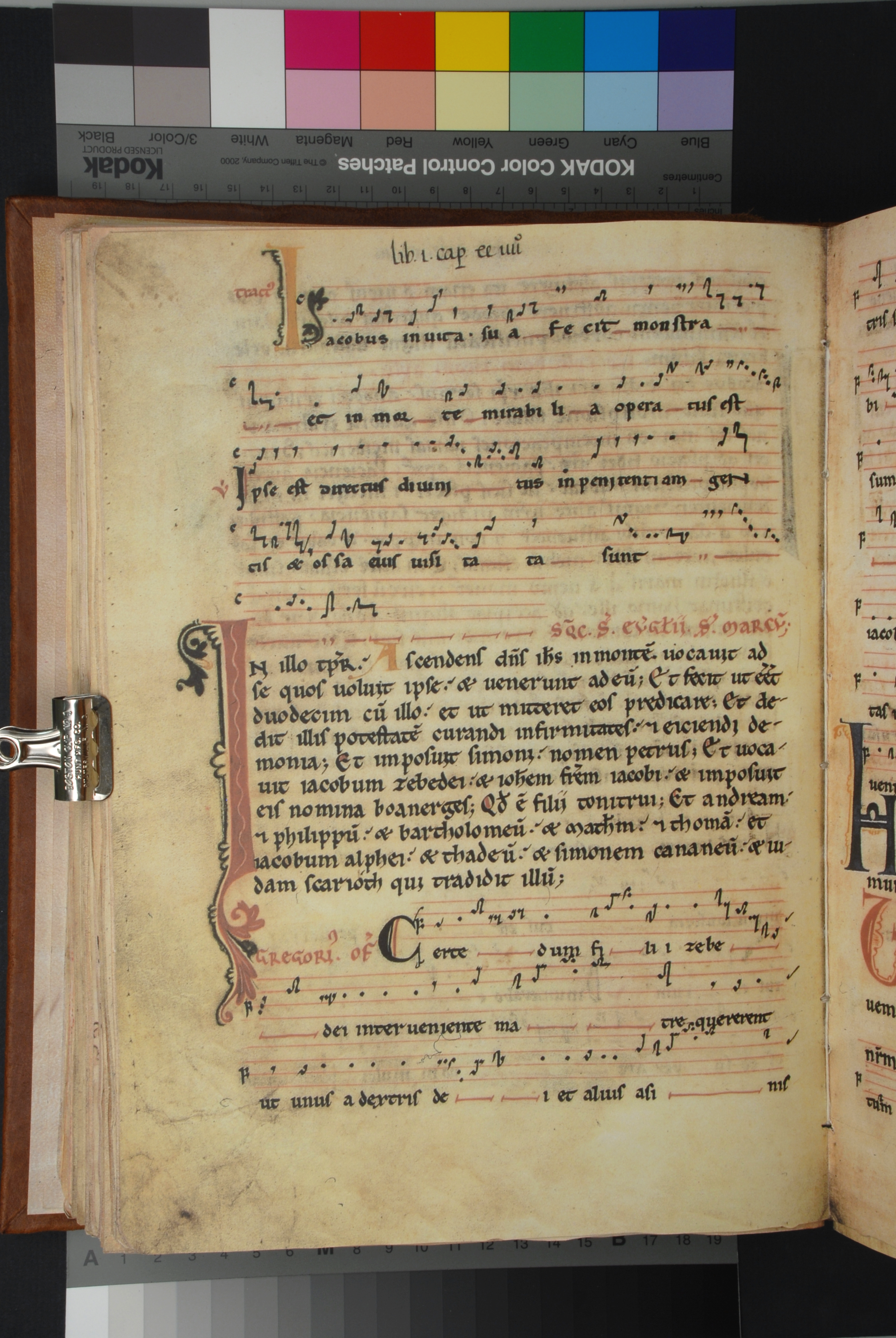
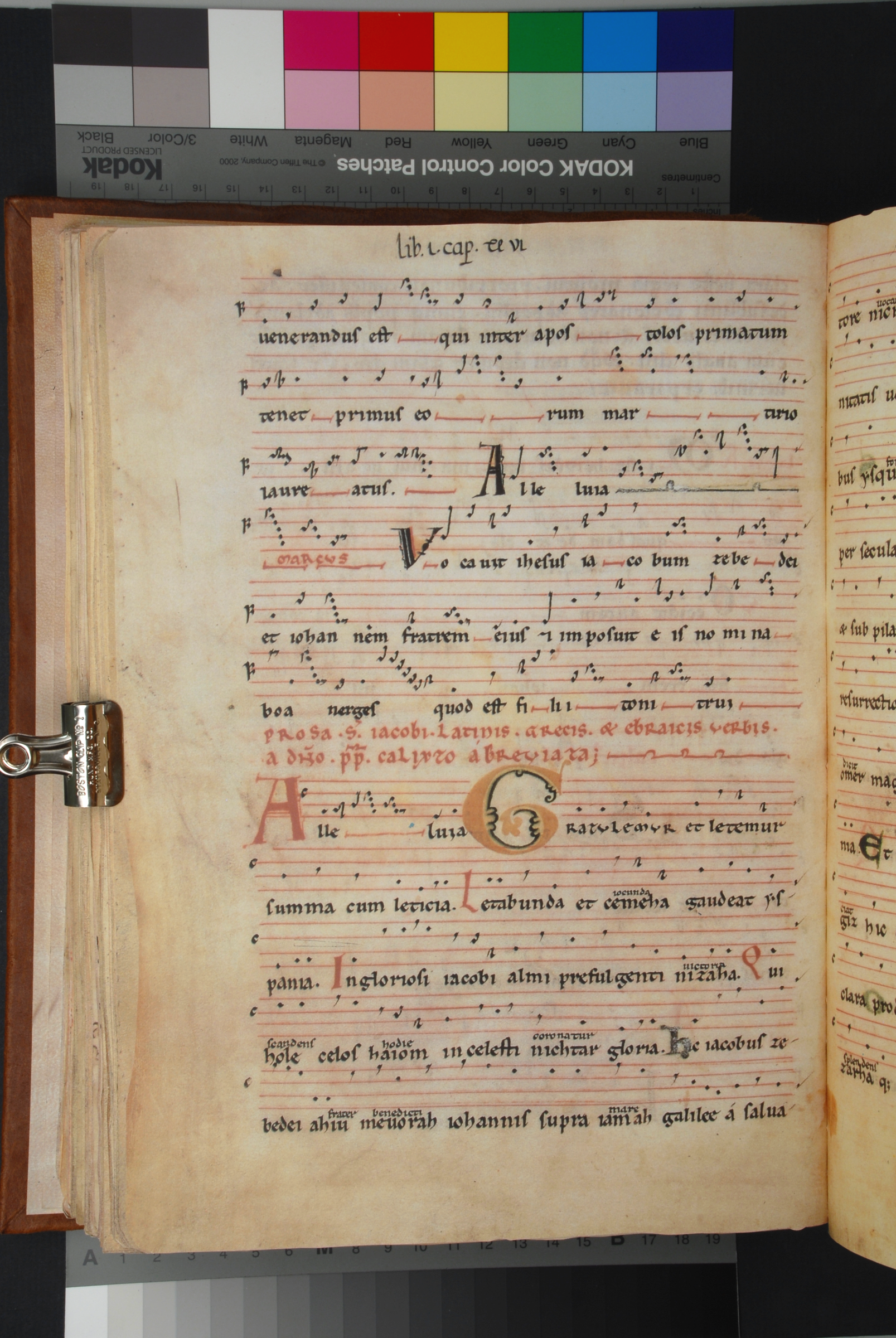
After graduating with honours from the Conservatorio del Liceo in Barcelona, I continued my studies at the Schola Cantorum Basiliensis in Switzerland with Dominique Vellard and Richard Levitt. During those years, my interest in oral traditions grew and gradually transformed the way I approached early music, especially the relationship between written sources, memory and living musical practices.
This curiosity led to many years of collaboration with Dominique Vellard and Baptiste Romain in Vox Suavis, an ensemble devoted to exploring connections between medieval and traditional repertoires.
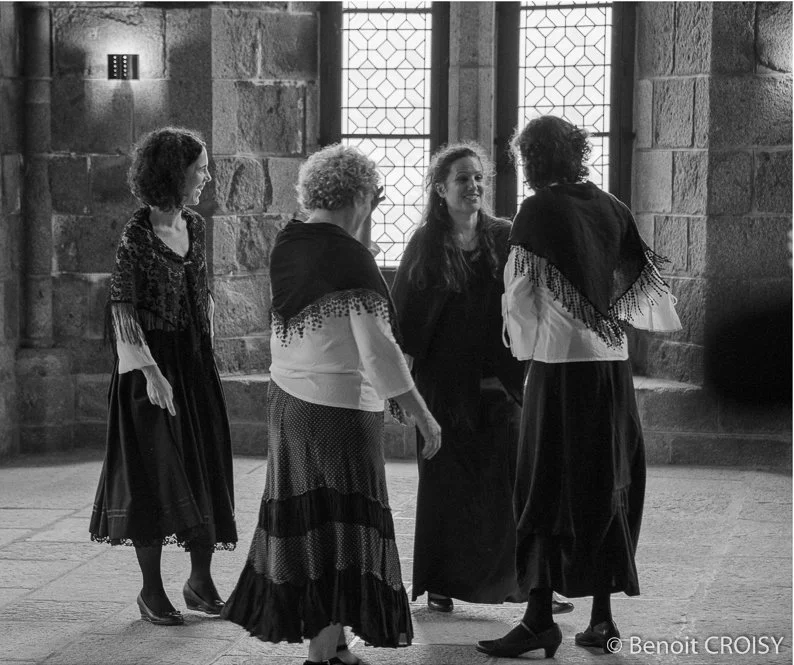
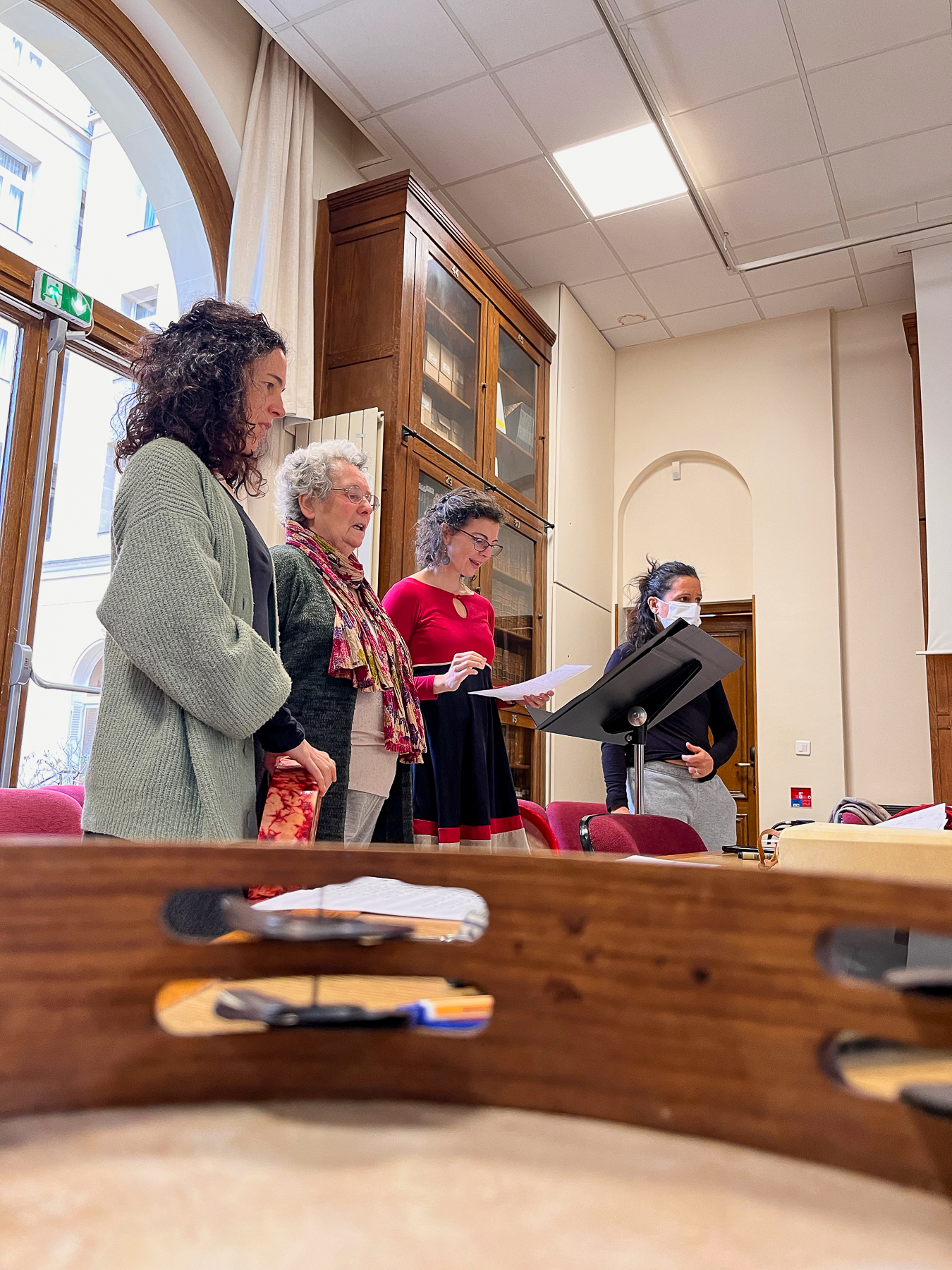
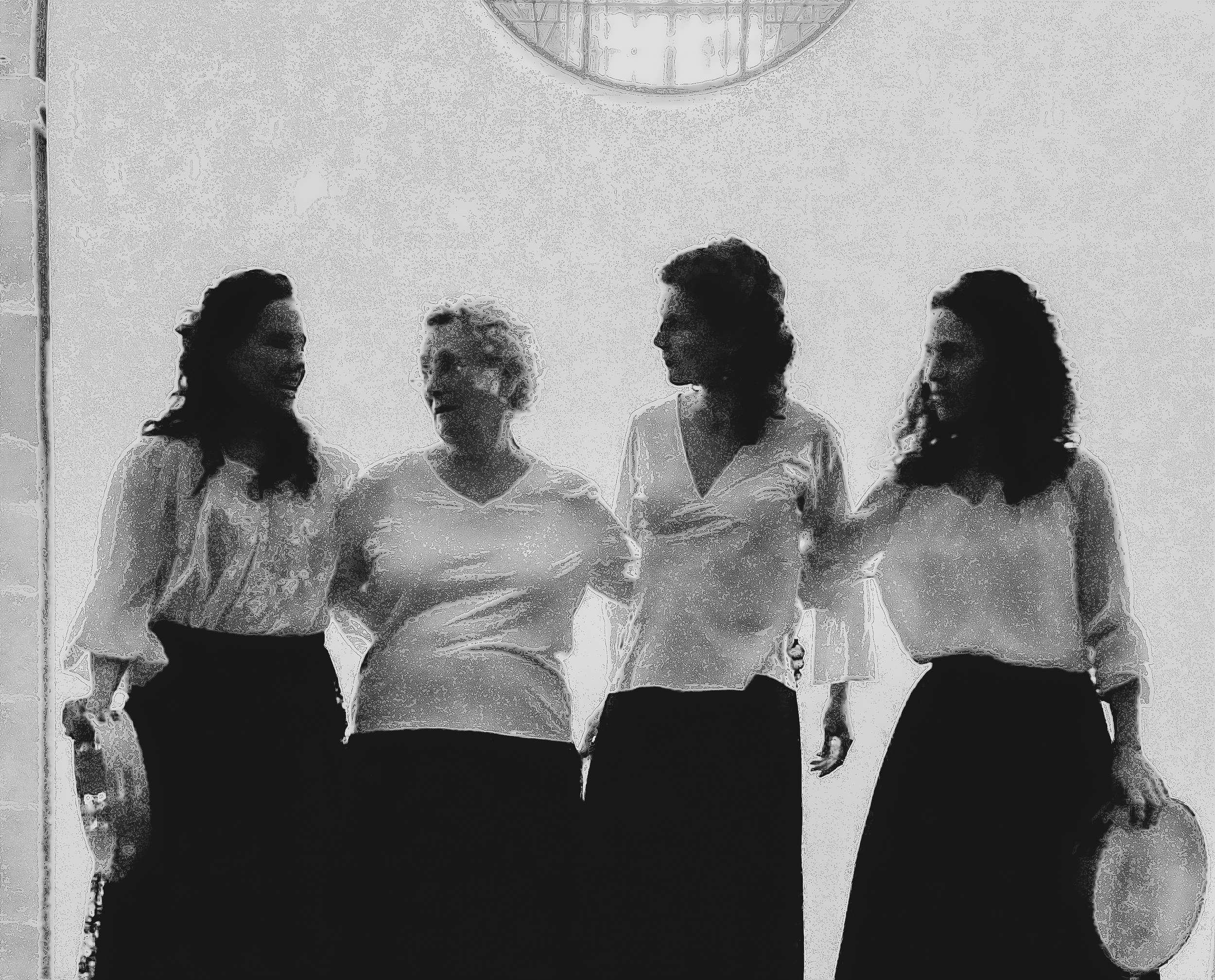
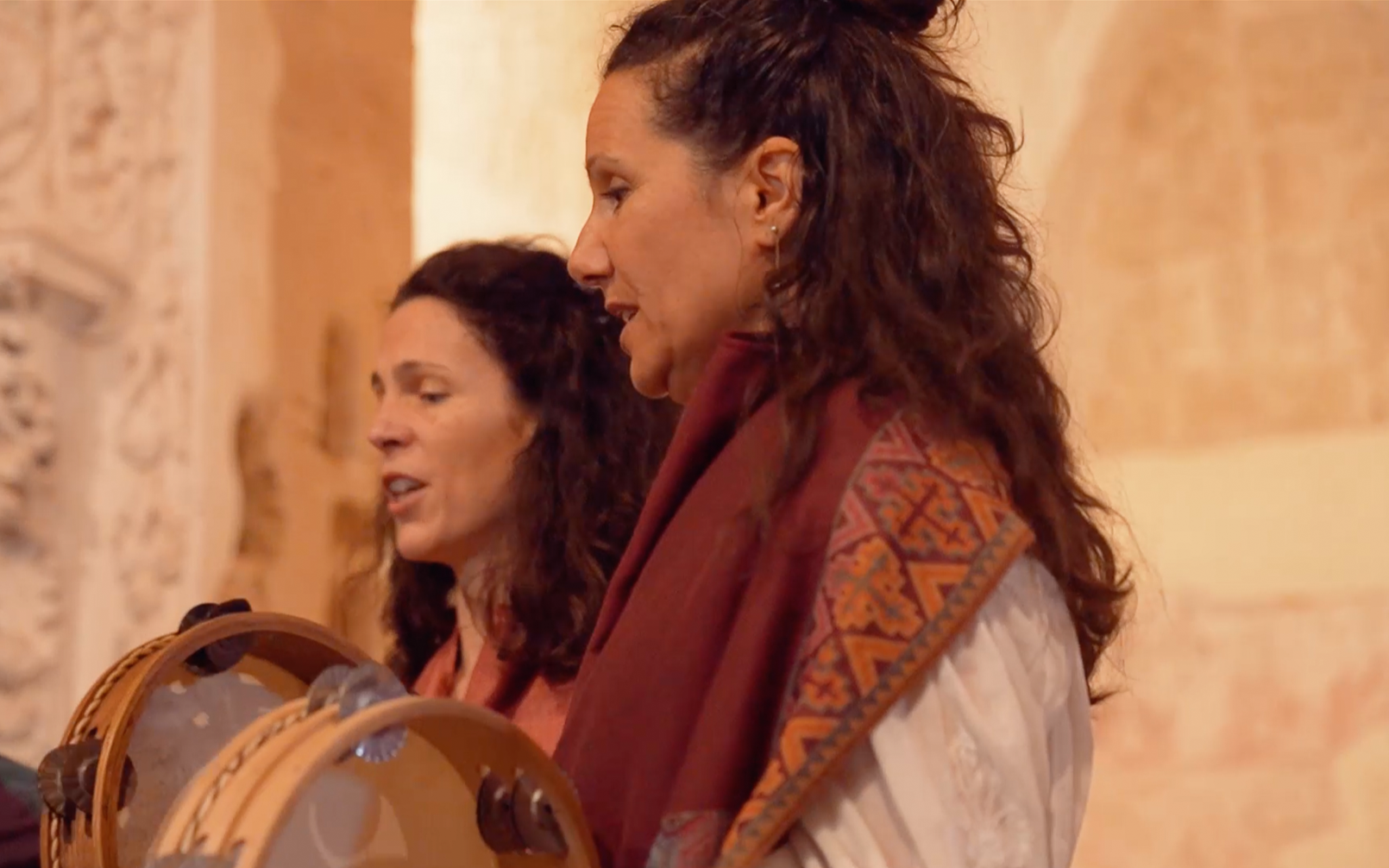
In 2016, I founded Cantaderas together with Paloma Gutiérrez del Arroyo, June Telletxea and Anne Marie Lablaude. Through voice and percussion, the ensemble explores traditional women’s repertoires from the Iberian Peninsula, with particular attention to oral transmission, rhythm and collective memory.
My recordings include Il primo libro de Francesca Caccini with Ensemble La Cecchina, La voz del olvido with Vox Suavis, and As festas do anno and Olvidadas with Cantaderas. I have performed at festivals and concert series in Spain, France, Switzerland, Germany, the Netherlands and the United States, collaborating with ensembles such as La Cecchina, Gilles Binchois and others.
Alongside performance, research and teaching have become essential parts of my work. I am particularly interested in the dialogue between oral tradition and early music, and in the ways repertoire is transmitted, transformed and understood through practice. I also teach early music singing and regularly lead workshops on Spanish traditional repertoires.
TEACHING
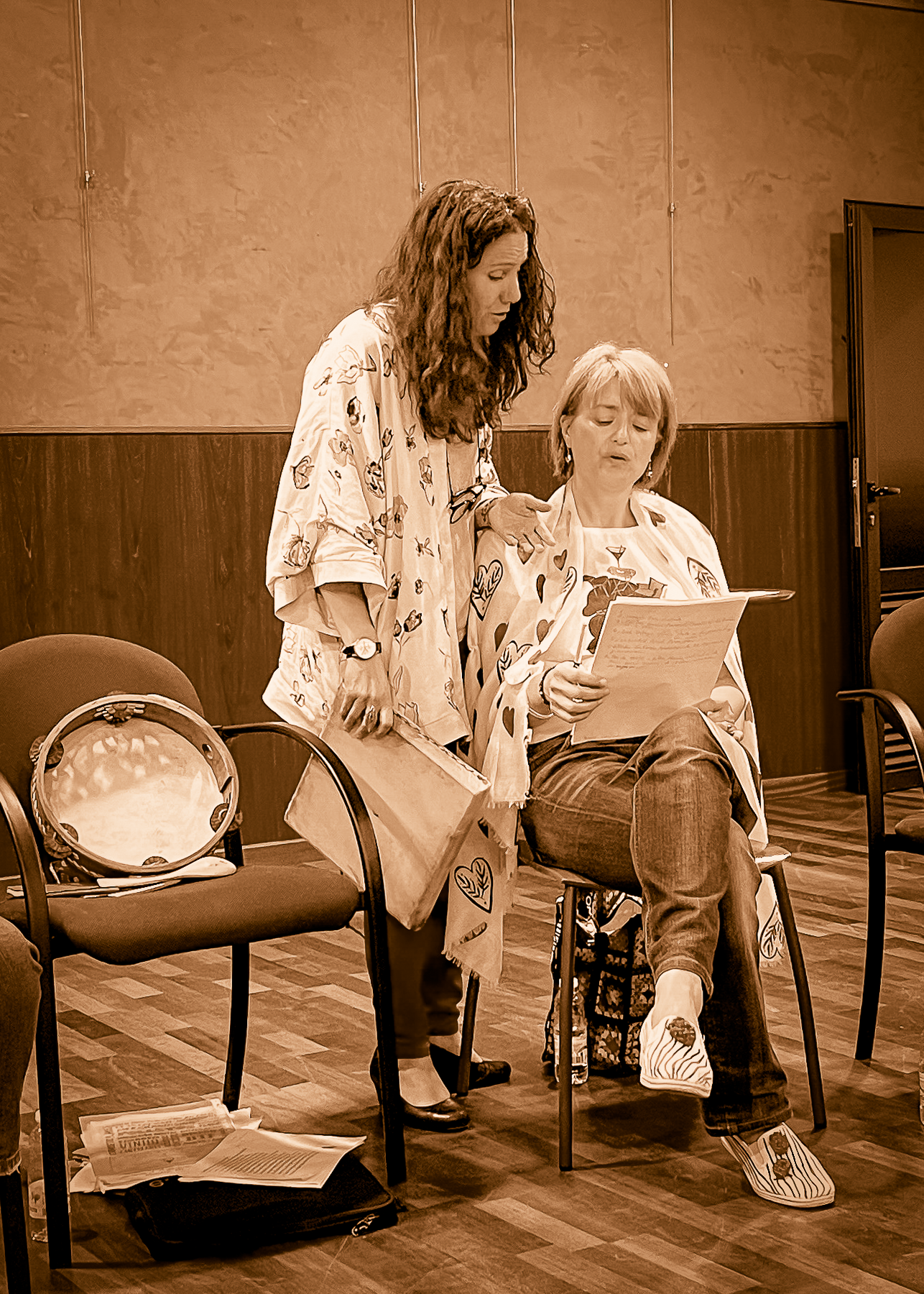
I love to teach…
I believe that teaching has nothing to do with authority. It has to do with generosity and humility: generosity, because we share our experience and our own need to keep learning; humility, because we often grow more through questions than through absolute answers.
Teaching cannot be unidirectional. The time shared during a lesson should nourish both teacher and student.
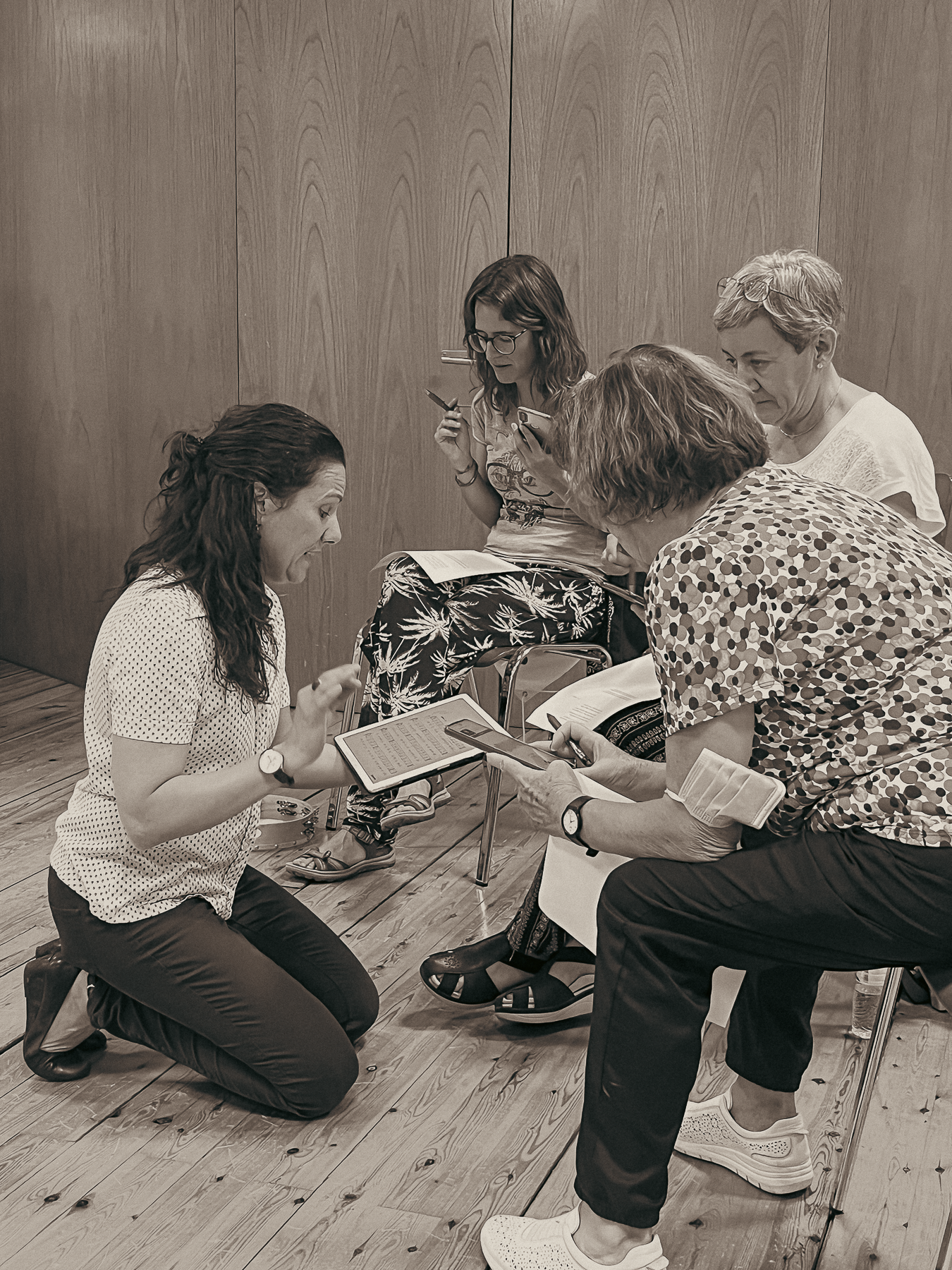
Acknowledging the person in front of you is essential: discovering their needs, interests, abilities and desires. For me, the essence of teaching lies in observing, listening, asking questions, and finding the right words and images to communicate and explain what experience has taught us.
When I teach, I learn and receive as much as I give:At the Music School of the Schola Cantorum Basiliensis, where the possibilities for human and musical development are immense.
At Hauterive Monastery, where the Cistercian community has opened its doors and hearts to me.
With Cantaderas Ensemble and the project Dando Voces, bringing melodies to life through the voices of women in the villages that welcome us.
At the Escuela de Música Medieval y de Tradición Oral de Madrid, directed by Paloma Gutiérrez del Arroyo, where we enjoy the process of bringing forgotten repertoires back to life.
Thank you to all of you who make these encounters possible!
TRADITIONAL MUSIC
The conservatory conserves
When my professor Dominique Vellard heard my father sing Spanish folk music, I was surprised to see how much he appreciated it. I, on the other hand, had always looked down upon this type of music. I began to ask myself some questions: what and where was this repertoire that my parents were singing all their life? I started to research traditional music of Castilla la Vieja, the area of Spain where my parents are from and most of my extended family still lives. It is also the area where one of the most important ethnographic centers in Spain is located: The Fundación Joaquín Díaz de Urueña, outside of Valladolid.
I first visited the center with Dominique Vellard. I was surprised, confused, excited and had the feeling of not being able to cope with the repertoire that was in front of me. Thousands and thousands of melodies that nobody sings and nobody hears anymore. Hundreds of songbooks collected during the 20th century, recordings made since the thirties: a large oral heritage that few people pay attention to, largely forgotten during the last few decades. It is a repertory of an enviable quality, the music of a poor and rural world.
To get a conservatory degree meant a lot of years of studying a repertoire that we believed was unique: classical music.
My immersion into medieval, renaissance and baroque repertoires added some more adjectives to the concept of classical music: until than it was European, written and most of the time it was performed from a contemporary musical perspective.
In the last 20 years the situation has changed: early music instruments and repertoires have found their place in conservatories. The interpretation of this repertoire has gained a historicist approach and our focal point has opened up.
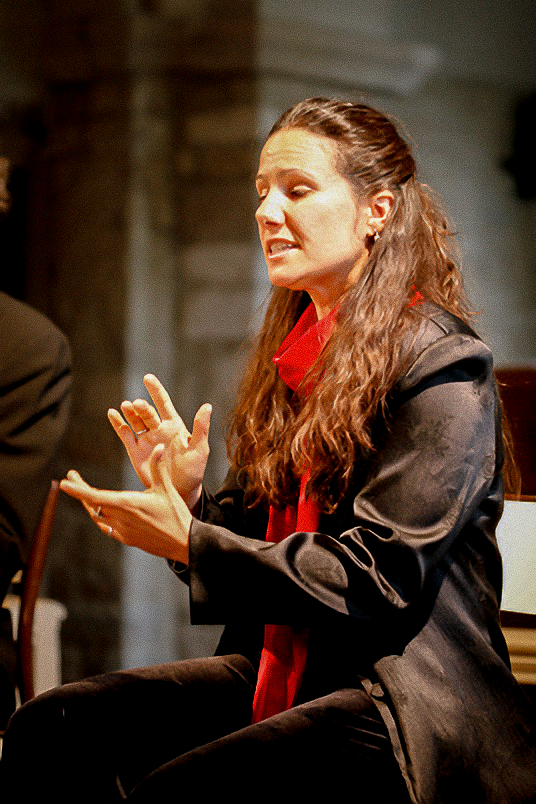
A large number of these melodies
are not related to European classical music,
making its comprehension difficult.
We need to approach from a different perspective.
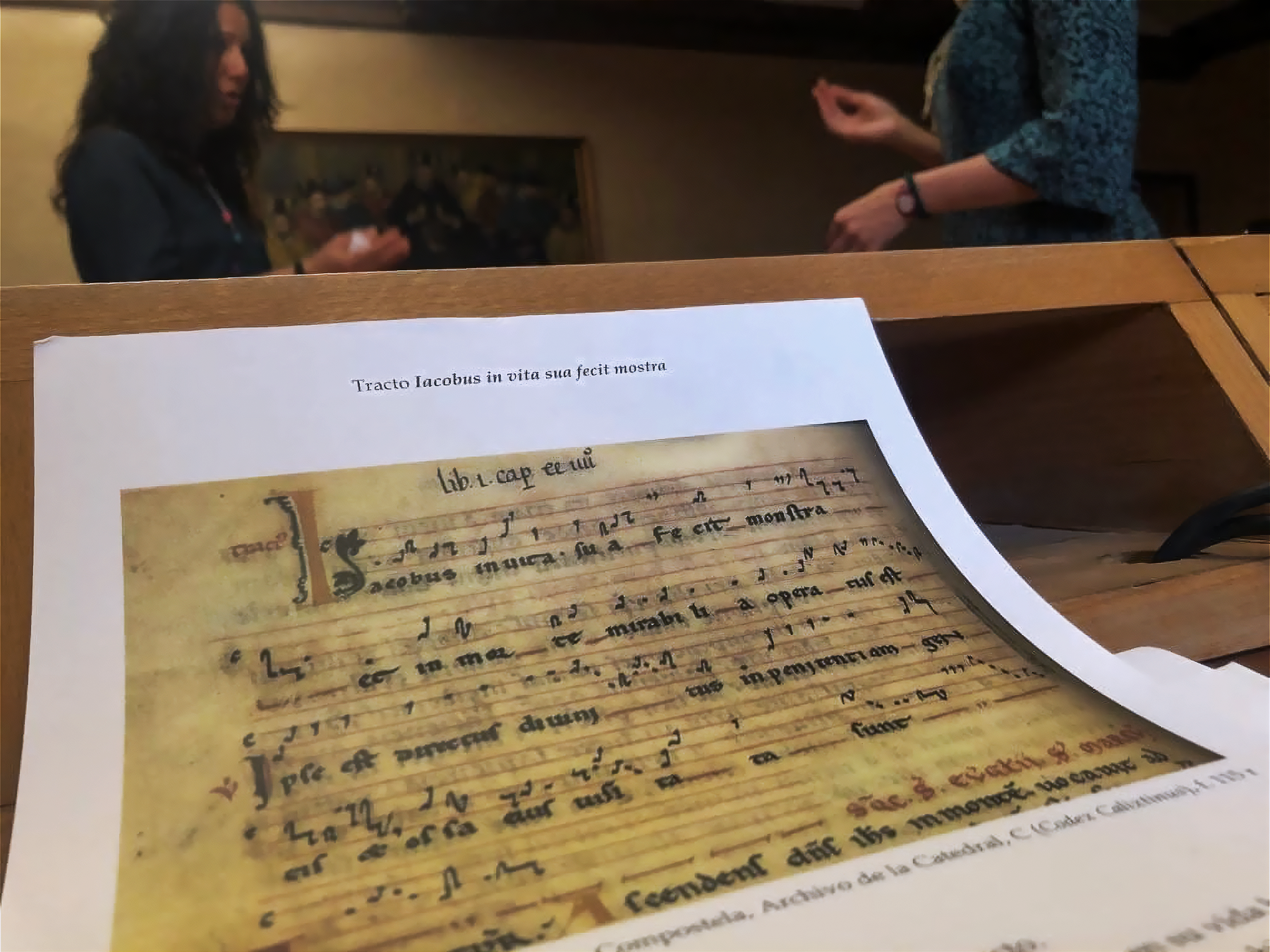
Classical music is largely a written tradition, in which the score and the figure of the composer play a central role. Traditional music, by contrast, is primarily transmitted orally: the score may be useful to us as a tool, but it is not necessarily part of the performer’s or creator’s own musical process.
The majority are short melodies. Most of them don’t fit to a tonality or a regular rhythm. To understand this repertoire we need to understand improvisation, modality, free singing, non-equal tempered scales. All of which are common keys in some medieval repertoires and in the oral tradition.
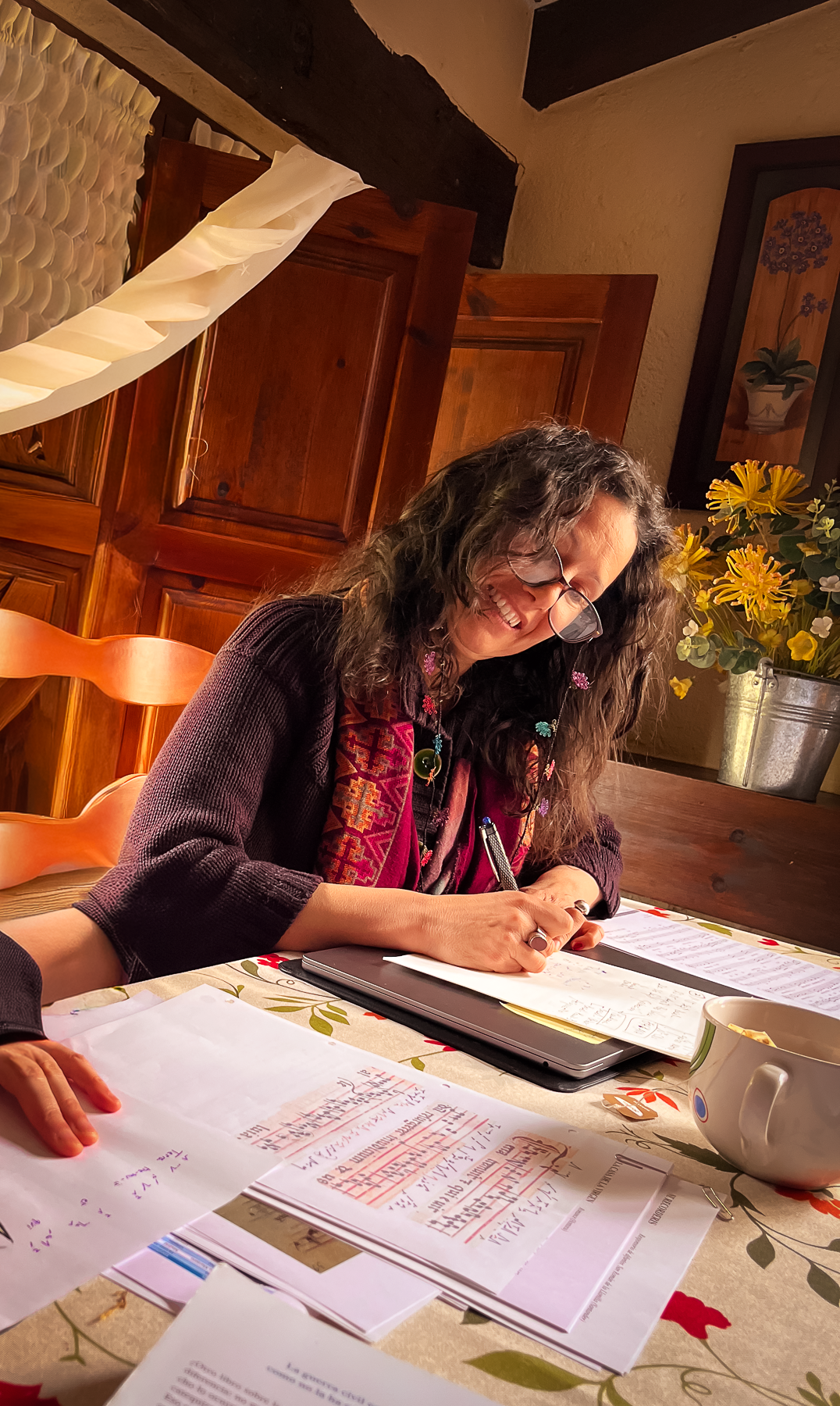
The music we don’t hear…
SILENT MUSIC
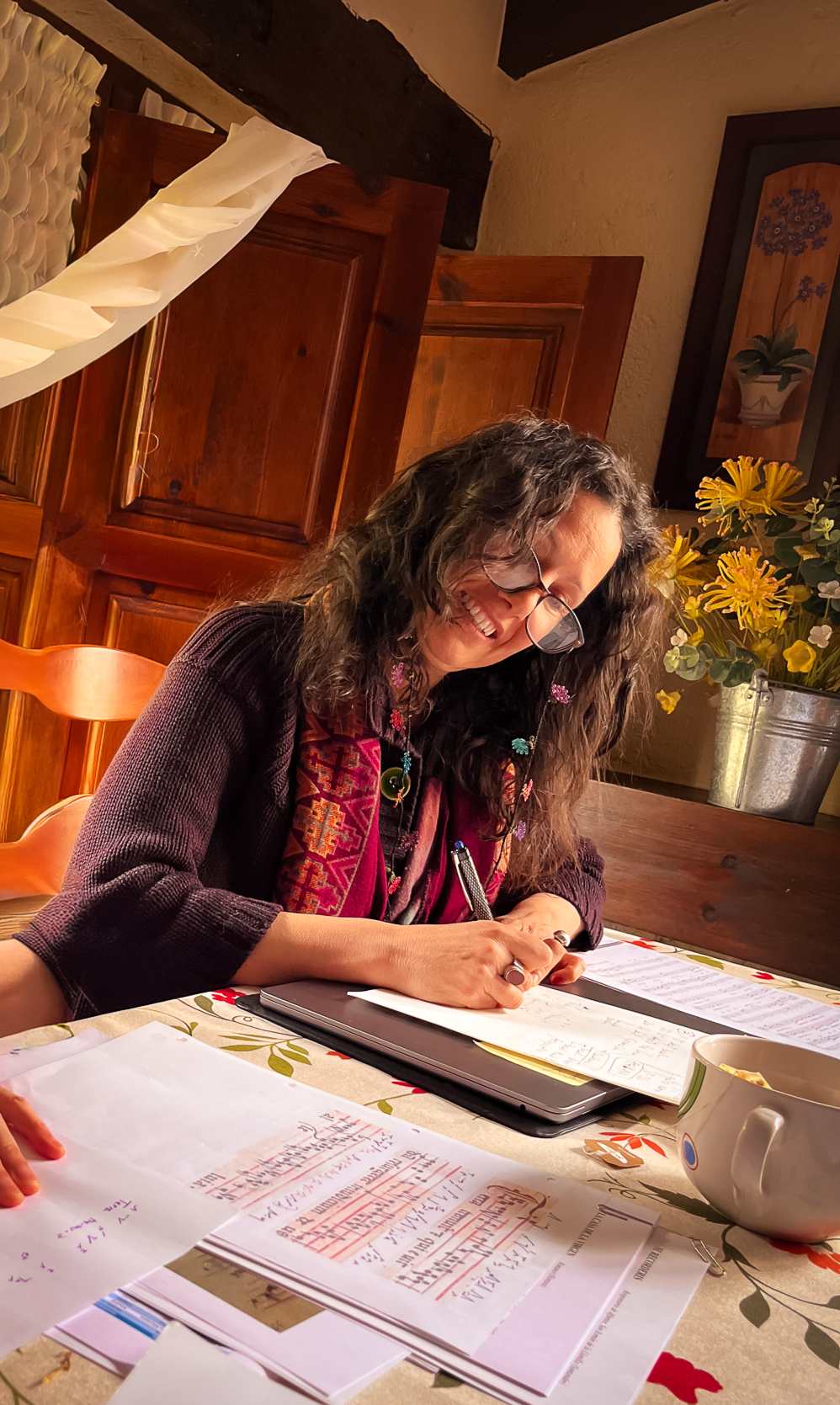
What do I do with it?
First, I choose a songbook from the first half of the 20th century and study it for several weeks to gain a general understanding of its characteristics. I then analyze each piece and select examples based on their melodic, formal, and rhythmic features. If the source is a recording, I transcribe the selected pieces.
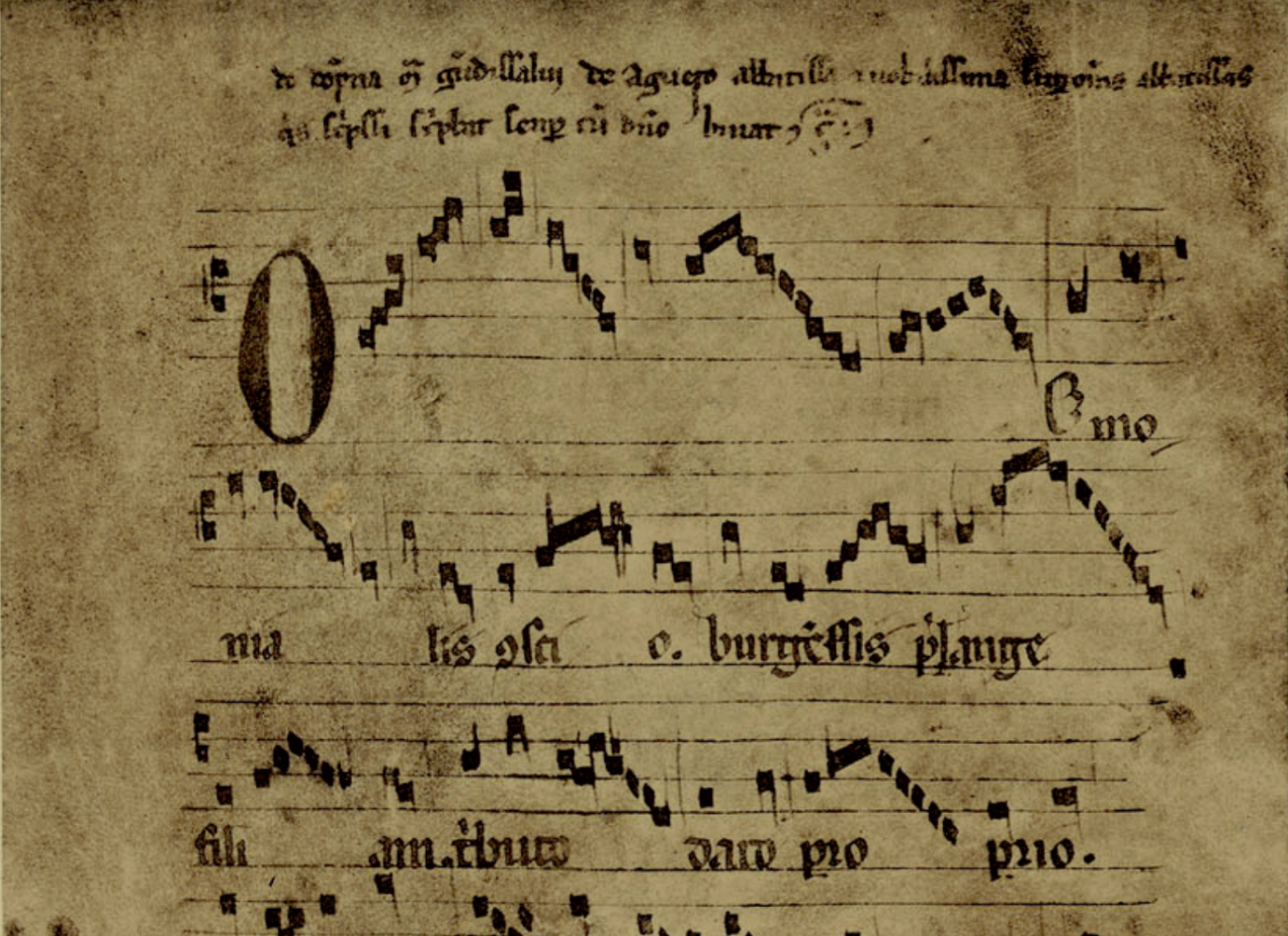
This is a delicate process, since this music was never conceived to be notated, and it can be difficult to establish a coherent notation system to represent it on paper. These transcriptions are not intended as scores for performance, but are necessary in order to analyze and understand the music.
Finally, I learn the repertoire by heart...I learn to improvise within and between pieces; I leave the written page behind and return to the oral stream. I observe that every time I perform a piece, it is both familiar and new. That is the wonder of aural learning. There are no written rules to follow, but rather a repertoire, a style, and an aesthetic that define the tradition.