
Silent music
Research
To get a conservatory degree meant a lot of years of studying a repertoire that we believed was unique: classical music.
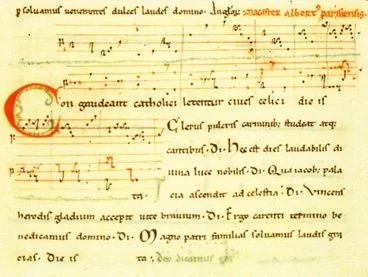
My immersion into medieval, renaissance and baroque repertoires added some more adjectives to the concept of classical music: until than it was European, written and most of the time it was performed from a contemporary musical perspective.
In the last 20 years the situation has changed: early music instruments and repertoires have found their place in conservatories. The interpretation of this repertoire has gained a historicist approach and our focal point has opened up.
The conservatory conserves
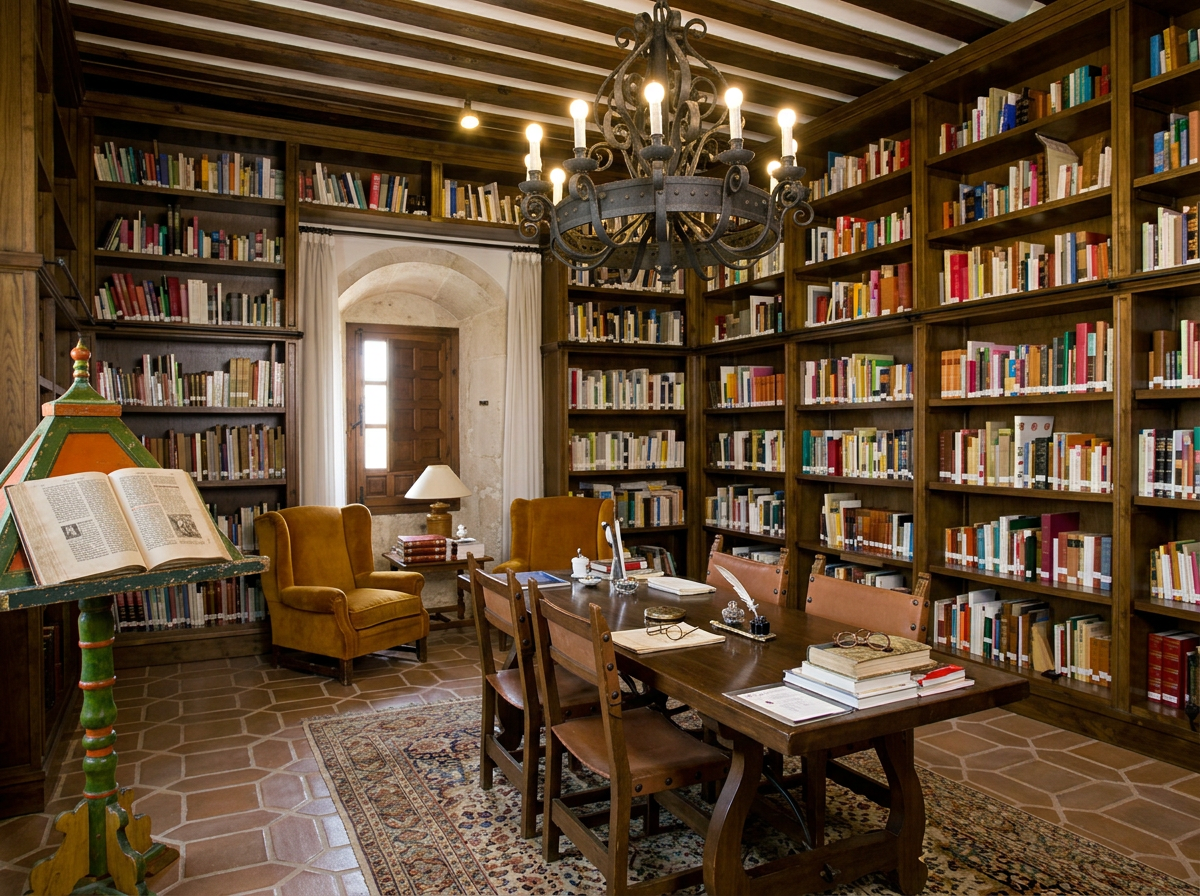
When my professor Dominique Vellard heard my father sing Spanish folk music, I was surprised to see how much he appreciated it. I, on the other hand, had always looked down upon this type of music. I began to ask myself some questions: what and where was this repertoire that my parents were singing all their life? I started to research traditional music of Castilla la Vieja, the area of Spain where my parents are from and most of my extended family still lives. It is also the area where one of the most important ethnographic centers in Spain is located: The Fundación Joaquín Díaz de Urueña, outside of Valladolid.
I first visited the center with Dominique Vellard. I was surprised, confused, excited and had the feeling of not being able to cope with the repertoire that was in front of me. Thousands and thousands of melodies that nobody sings and nobody hears anymore. Hundreds of songbooks collected during the 20th century, recordings made since the thirties: a large oral heritage that few people pay attention to, largely forgotten during the last few decades. It is a repertory of an enviable quality, the music of a poor and rural world.
A large number of these melodies
are not related to European classical music,
making its comprehension difficult.
We need to approach from a different perspective.
Classical music is largely a written tradition, in which the score and the figure of the composer play a central role. Traditional music, by contrast, is primarily transmitted orally: the score may be useful to us as a tool, but it is not necessarily part of the performer’s or creator’s own musical process.
The majority are short melodies. Most of them don’t fit to a tonality or a regular rhythm. To understand this repertoire we need to understand improvisation, modality, free singing, non-equal tempered scales. All of which are common keys in some medieval repertoires and in the oral tradition.